
Best Time to Visit Hanamaki Onsen: Weather and Seasons
Visit Hanamaki Onsen in May–June or September–October for comfortable weather between baths and sightseeing. Around the resort are gardens and wooded paths. Some outdoor baths close in winter.
City weather and the hot-spring foothills
Eastern Hanamaki sits in an inland basin. In summer, temperatures can differ sharply between afternoon and night. This eastern city area has relatively warm winters and less snow. West of the city, the Ou foothills around the springs are colder and snowier.
On a two-night visit, you have a full sightseeing day between arrival and departure. Wear layers for a warm city afternoon and an evening near the baths. Book the hotel shuttle before arriving by train.
Spring roses and summer evenings
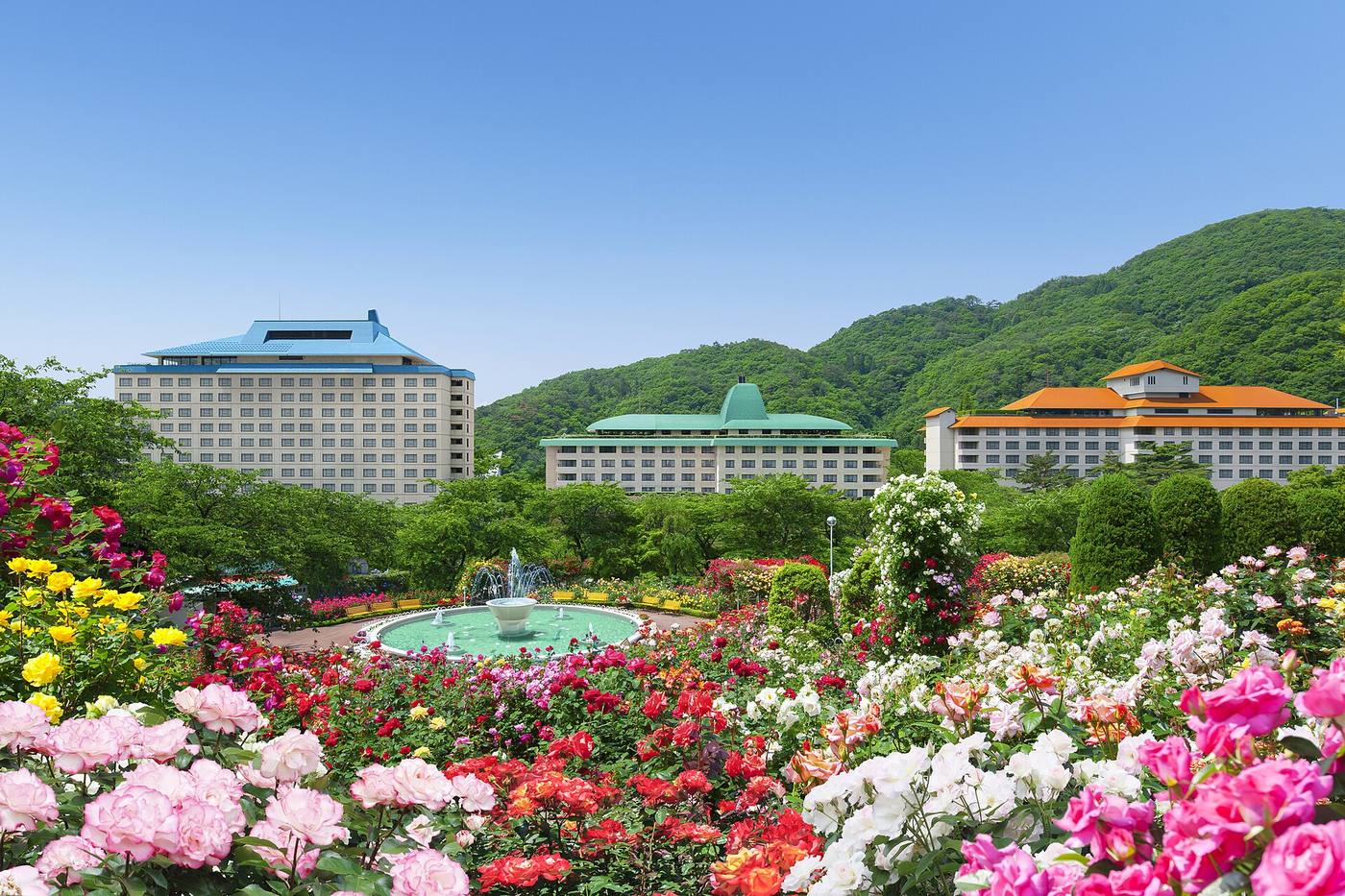
The main rose season at Hanamaki Onsen Rose Garden runs from late May into early July. About 450 varieties flower around a fountain and benches. Miyazawa Kenji designed the garden’s sundial flowerbed.
Outside the outdoor rose season, the greenhouse keeps plants growing under glass throughout the year. From late May to mid-October, you can walk among illuminated roses during seasonal evening opening. The resort garden is open after daytime sightseeing.
Autumn color around Yumoto
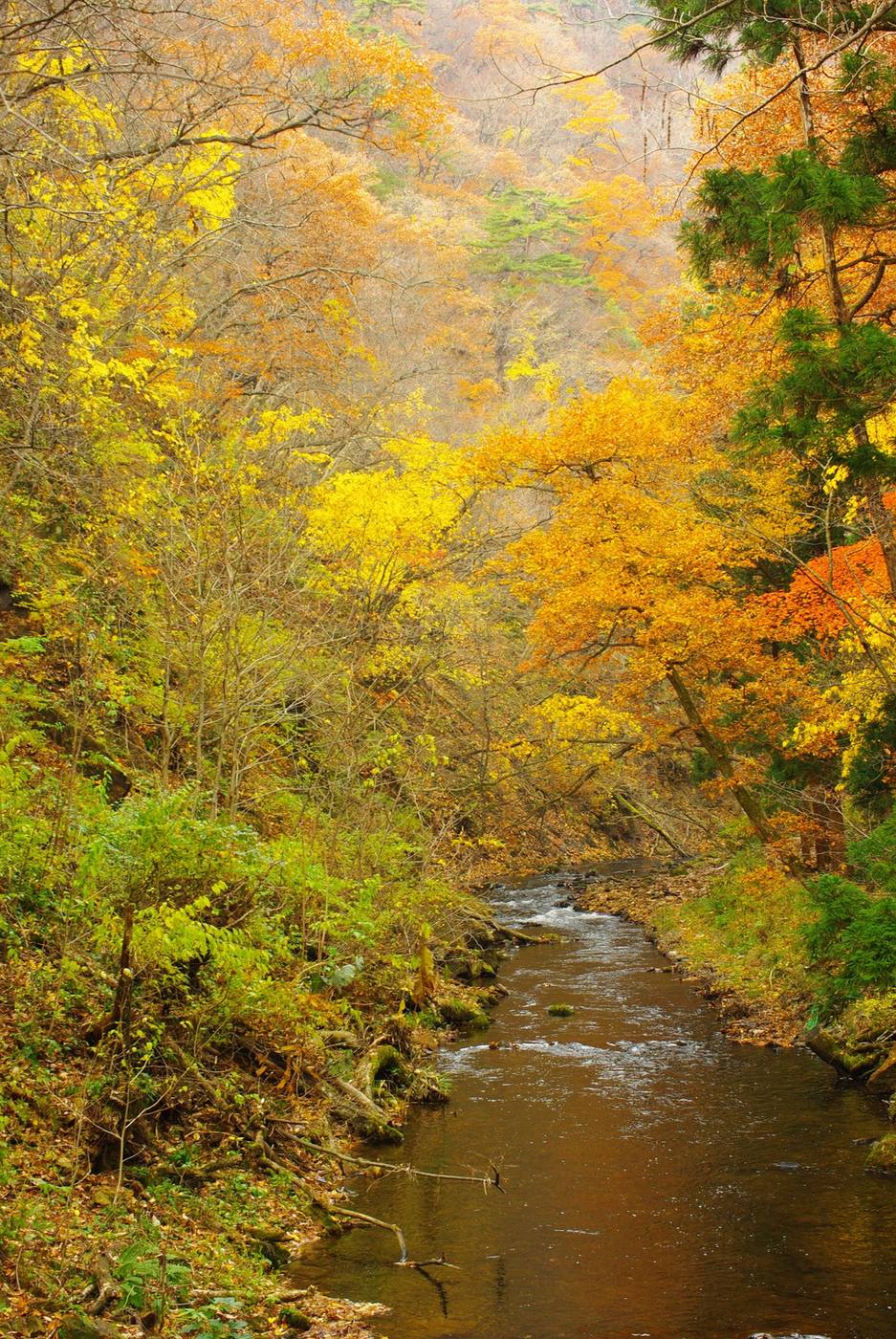
Leaves around Hanamaki Onsen Shrine generally turn from mid-October to early November. Torii gates line the approach to this Inari shrine opposite Senshukaku. Around the wooded loop at Kamabuchi Falls, leaves turn a little later, from late October to early November. The walk from Hanamaki Onsen takes about ten minutes. The loop itself takes roughly twenty more minutes.
The Rose Garden charges admission in early to mid-October, when the leaves begin to turn. After the paid season ends, daytime garden entry is free for visitors of all ages.
Winter bathing and transfers
Snow is common in the foothills from December to March. Conditions are colder and snow is heavier than in the eastern city area. Wear footwear with grip on the road approach. The hotel shuttle runs from the station to the inn.
| Bath | Winter access and other closures |
|---|---|
| Manten no Yu | Winter: The open-sky garden bath closes for the season. Regular cleaning: Manten no Yu also closes on Thursdays from 10:00–15:00. |
| Koyokan’s outdoor rock pool | Day visitors can bathe here in winter. |
| Hanamaki no Yu’s bedrock bath | Day visitors can use this bath in winter. |
| Horai-yu | Closed until further notice. |
Regional monthly temperatures
The Morioka temperature averages for 1991–2020 are regional figures for Iwate. Mean temperature is the average for the whole month. Mean highs and lows are averages of each day’s maximum and minimum temperatures over the same period.
The measurements come from Morioka’s weather station. Hanamaki’s hot-spring villages lie in the Ou foothills, where winter is colder and snowier than in eastern Hanamaki.
| Month | Mean °C | Mean high °C | Mean low °C |
|---|---|---|---|
| Jan | −1.6 | 2.0 | −5.2 |
| Feb | −0.9 | 3.2 | −4.8 |
| Mar | 2.6 | 7.5 | −1.8 |
| Apr | 8.7 | 14.4 | 3.2 |
| May | 14.5 | 20.3 | 9.1 |
| Jun | 18.8 | 24.1 | 14.2 |
| Jul | 22.4 | 27.1 | 18.8 |
| Aug | 23.5 | 28.4 | 19.8 |
| Sep | 19.3 | 24.3 | 15.2 |
| Oct | 12.6 | 17.9 | 7.9 |
| Nov | 6.2 | 10.9 | 1.8 |
| Dec | 0.8 | 4.5 | −2.5 |
Reviewed: